
Transform Your Life with Low‑Testosterone Replacement Therapy Care
Testosterone replacement therapy (TRT) is a medically supervised option for men with confirmed low testosterone, often called Low T, that can restore energy, strength, and sexual function. Low T may affect mood, muscle and bone health, libido, and day‑to‑day stamina. Below we outline how Low T presents, how TRT works, the treatment options available at the Erection Clinic in Orlando, and what to expect during care. Use this guide to make informed choices and take the next step toward improved health.
What is Low Testosterone and How Does It Affect Men's Health?
Low testosterone means circulating testosterone levels are below the expected range for a man’s age and health. Testosterone supports muscle mass, bone density, mood, sexual desire, and other physiological functions. Although testosterone interacts with the immune system, links between Low T and outcomes from infections such as COVID‑19 are complex and not definitively proven. Some studies report associations between lower testosterone and worse COVID‑19 outcomes, but causation has not been established. In short: keeping testosterone within a healthy range matters for overall health, but claims about direct immune benefits should be interpreted cautiously.
Ongoing research is assessing testosterone’s potential roles across several medical conditions.
Broad Therapeutic Potential of Testosterone for Men’s Health
Testosterone is the principal male sex hormone, involved in sexual development, sperm production, and male physical traits. Clinically, testosterone is prescribed for certain types of hypogonadism and has been investigated off‑label for muscle support. Literature reviews consider possible benefits for conditions such as anxiety and diabetes, with additional interest in obesity and depression.
The role of testosterone in erectile dysfunction, G Corona, 2010
What Are the Common Symptoms of Low Testosterone in Men?

Symptoms vary between men, but common signs include:
- Chronic fatigue: Persistent tiredness that doesn’t improve with rest.
- Lowered libido: A noticeable decline in sexual desire.
- Erectile difficulties: Trouble achieving or maintaining an erection.
Noticing these changes early makes it easier to get appropriate testing and treatment.
Testosterone’s Role in Erectile Dysfunction Treatment
Erectile dysfunction (ED) has physical, psychological, and relational causes. Testosterone affects the interaction between sexual desire and the physiological erectile response. For men with hypogonadism (clinically low testosterone), testosterone replacement is an important treatment consideration.
The role of testosterone in erectile dysfunction, G Corona, 2010
Early evaluation and targeted treatment can improve sexual function and overall quality of life.
Research continues to clarify how testosterone levels influence erectile function and related health issues.
Testosterone, ED and Combined Therapies
Testosterone contributes to several mechanisms behind ED, though its benefit varies by individual. Low testosterone often coexists with metabolic conditions such as type 2 diabetes and metabolic syndrome. Both ED and hypogonadism are treatable; clinicians may consider different testosterone formulations and, for some patients, combination therapy with phosphodiesterase‑5 (PDE5) inhibitors.
Unlocking the therapeutic potential and personalized therapy of testosterone: a comprehensive review, R Kesavan, 2025
Ongoing studies are investigating whether combining TRT with PDE5 inhibitors improves outcomes for men who have both ED and low testosterone.
Testosterone & PDE5-Is for Erectile Dysfunction
Combining testosterone and phosphodiesterase‑5 inhibitors (PDE5‑Is) is increasingly used for men with ED and low testosterone, though the approach remains debated among experts. PDE5‑Is may be administered before, during, or after the start of testosterone therapy depending on clinical judgment and patient needs.
Do testosterone supplements enhance response to phosphodiesterase 5 inhibitors in men with erectile dysfunction and hypogonadism: a systematic review and meta …, N Ou, 2020
What Causes Low Testosterone and Who Is at Risk?
Several factors can lower testosterone, including:
- Aging: Testosterone levels typically decline gradually with age, especially after about 30.
- Obesity: Excess body fat can disrupt hormonal balance and reduce testosterone production.
- Chronic medical conditions: Diabetes, hypertension, and certain hormonal disorders increase the risk of Low T.
Understanding these risk factors helps identify men who should consider testing and, if appropriate, treatment.
What Are the Key Benefits of Testosterone Replacement Therapy?
When prescribed and monitored properly, TRT can produce measurable improvements for men with documented testosterone deficiency.
- Higher energy and less fatigue: Many men notice improved daily vitality within weeks.
- Better mood and stronger libido: TRT can lift mood and restore sexual desire.
- Increased muscle mass and strength: Testosterone supports muscle development and can help recover lost muscle.
The scientific literature consistently reports broad benefits of testosterone therapy on several aspects of men’s health.
Benefits of Testosterone Therapy for Men’s Health
Testosterone deficiency (TD; hypogonadism) adversely affects glycometabolic and cardiometabolic function, body composition, and bone mineral density; contributes to anemia and sexual dysfunction; and lowers quality of life. Testosterone therapy has been used for decades to treat TD, with documented improvements in signs and symptoms.
Benefits and health implications of testosterone therapy in men with testosterone deficiency, 2018
Clinical studies also show TRT can improve metabolic markers and bone health in men who meet diagnostic criteria for testosterone deficiency.
Meta‑analyses provide more detailed data on how TRT affects specific health outcomes.
TRT Improves AMS Scores, Body Composition & Cholesterol
Meta‑analytic data show that testosterone replacement therapy significantly reduced Aging Male Symptoms (AMS) scores and increased lean body mass. Effects on fat mass were smaller and variable, and TRT was associated with modest reductions in total cholesterol in some analyses.
Efficacy and safety of testosterone replacement therapy in men with hypogonadism: a meta-analysis study of placebo-controlled trials, M Liu, 2016
Health Benefits of Testosterone Therapy for Deficiency
Testosterone deficiency negatively affects metabolic health, body composition, bone density, and sexual function, and it reduces quality of life. Testosterone therapy has a long clinical history and has demonstrated benefits for men with documented deficiency.
Benefits and health implications of testosterone therapy in men with testosterone deficiency, 2018
If you’re considering TRT, a consultation at the Erection Clinic will determine whether treatment is appropriate and set realistic expectations for outcomes.
How Does TRT Improve Energy, Mood, and Libido?
TRT raises testosterone toward target ranges, which often increases energy, lifts mood, and restores sexual interest. Many patients report improved focus, steadier daytime energy, and better emotional well‑being after starting therapy.
Can TRT Improve Muscle Mass, Bone Density, and Cognition?
Evidence supports TRT’s positive effects on muscle mass and bone density in men with deficiency. Some studies suggest possible cognitive benefits such as improved memory or concentration, but the evidence for cognitive improvement remains limited and not conclusive.
What Treatment Options Does Erection Clinic Offer for TRT in Orlando?
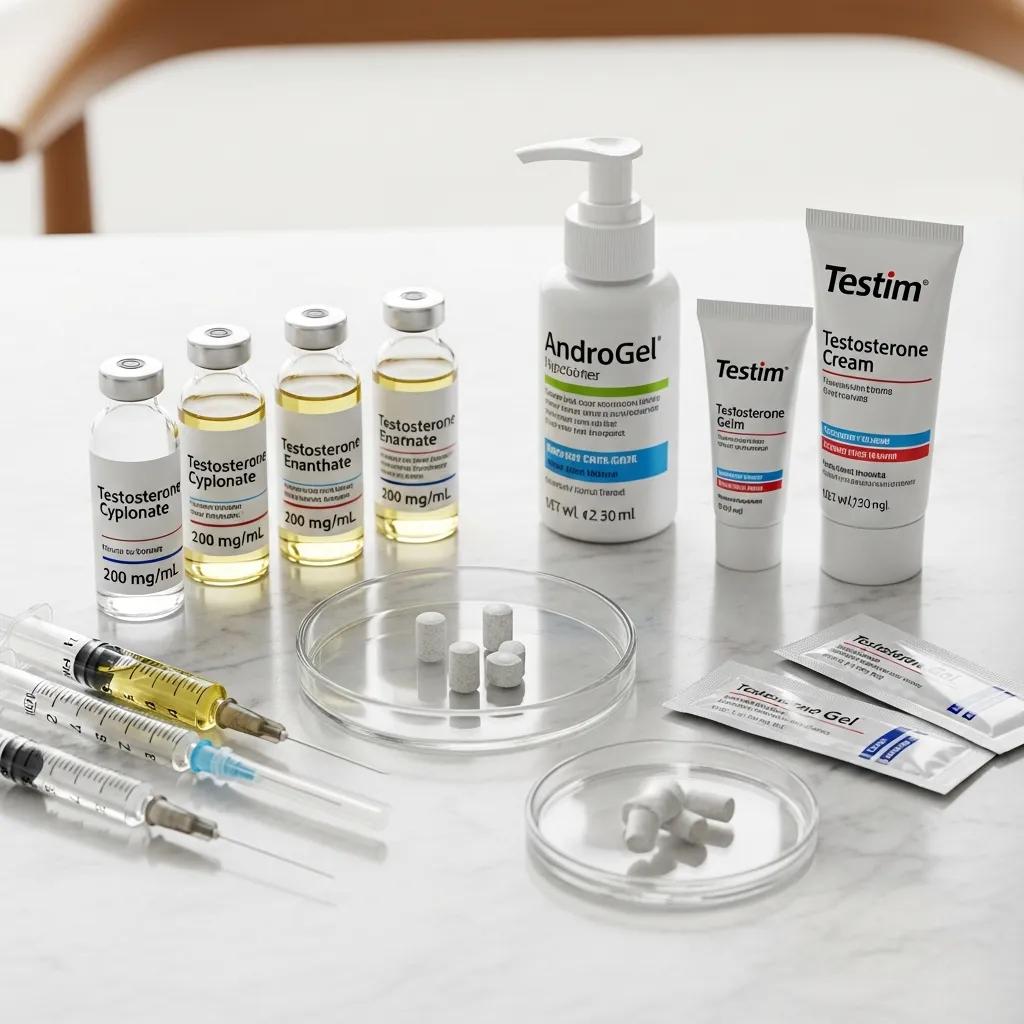
The Erection Clinic provides multiple TRT delivery methods so treatment can fit your medical needs and daily life.
- Testosterone injections: Intramuscular injections that raise testosterone reliably and rapidly.
- Testosterone pellets: Small subcutaneous implants that release testosterone steadily over months.
- Testosterone gels: Topical formulations absorbed through the skin for daily dosing.
Your clinician will review the advantages and drawbacks of each option and recommend the best fit for your goals and routine.
How Do Testosterone Injections, Pellets, and Gels Compare?
| Method | Administration | Frequency | Pros | Cons |
|---|---|---|---|---|
| Testosterone Injections | Intramuscular injection | Every 1–2 weeks | Fast, reliable effect | Requires periodic injections |
| Testosterone Pellets | Subcutaneous implant | Every 3–6 months | Stable, long‑lasting levels | Minor office procedure required |
| Testosterone Gels | Topical application | Daily | Convenient and non‑invasive | Potential risk of skin transfer to others |
What Makes Erection Clinic's Personalized TRT Approach Unique?
We create individualized TRT plans led by Dr. J, M.D., based on a thorough evaluation and close follow‑up. Our team emphasizes laboratory testing, dose adjustments, and ongoing monitoring so therapy remains safe and effective. The goal is measurable symptom improvement while minimizing risk.
What Should You Expect During Your TRT Journey at Erection Clinic?
From your first visit through follow‑up care, expect a structured, supportive process focused on safe, effective outcomes. We recommend scheduling an appointment to begin evaluation and testing when you’re ready.
What Happens During the Initial Consultation and Diagnosis?
The initial visit includes a review of your medical history, a discussion of symptoms, and targeted blood tests to measure testosterone and related markers. These steps confirm whether TRT is appropriate and help shape a personalized plan.
How Is Your Custom TRT Plan Developed and Monitored?
After diagnosis, we design a tailored treatment plan based on your labs, symptoms, and goals. Regular follow‑ups and repeat testing allow dose adjustments and safety checks to optimize outcomes.
How Much Does Testosterone Replacement Therapy Cost in Orlando?
Costs depend on the chosen treatment method, testing requirements, and follow‑up schedule. During your consultation we will review pricing, discuss financing options, and answer insurance questions to help you find a plan that fits your budget.
What Are the Pricing and Financing Options Available?
The clinic offers several pricing and payment choices to improve accessibility. Ask about financing, package plans, and potential insurance coverage when you schedule your appointment.
What Are the Most Frequently Asked Questions About TRT?
Men often ask about treatment duration, time to effect, and safety. Below are concise, practical answers to common concerns.
Is TRT a Lifelong Treatment and How Long Does It Take to Work?
For many men, TRT becomes a long‑term therapy because stopping treatment typically allows Low T symptoms to return. Some benefits — such as increased energy and libido — may appear within weeks; full changes in body composition and strength usually require several months.
What Are the Possible Side Effects and How Are They Managed?
When monitored, TRT is generally safe, but potential side effects include acne, mood swings, and an increase in red blood cell count. Regular follow‑up, blood testing, and open communication with your provider allow early detection and management of side effects.
Patients also commonly ask about prostate health; multiple studies have examined TRT’s relationship with prostate cancer risk.
TRT and Prostate Cancer: What the Research Shows
Testosterone replacement therapy is widely used to treat late‑onset hypogonadism. Historically, clinicians have approached prostate cancer risk with caution. This study assessed whether TRT increases prostate cancer risk and sought to clarify that relationship.
The effect of testosterone replacement therapy on prostate cancer: a systematic review and meta-analysis, Y Zhang, 2014
A comprehensive meta‑analysis of controlled trials did not find a statistically significant increase in prostate cancer risk across administration routes and endpoints, although individual study results varied.
TRT & Prostate Cancer Risk: Meta‑Analysis Findings
The meta‑analysis reviewed 22 randomized controlled trials including 2,351 patients. Some comparisons showed odds ratios above 1 for certain routes or endpoints, but none reached statistical significance (all P > 0.10), suggesting no clear increase in prostate cancer risk with TRT in the trials analyzed.
The effect of testosterone replacement therapy on prostate cancer: a systematic review and meta-analysis, Y Zhang, 2014